Featured
Table of Contents
That liberates money in the brief term, and you might have 3 to four years to conserve toward the settlement amount. Very hazardous to credit report, primarily because of missed out on settlements and a negative "resolved" mark that might remain on your debt record for as much as 7 yearsMay be only alternative if other alternatives (financial debt combination, equilibrium transfer credit scores cards, financial obligation forgiveness) aren't possibleTypically needs a charge to the 3rd event, which might counter some or all of the cost savings from financial debt settlementMay help you avoid personal bankruptcy if you have actually missed several paymentsNot all creditors deal with financial obligation negotiation companies Financial debt mercy may be best for you if you are experiencing a monetary hardship that makes it virtually difficult to pay for your financial obligation equilibriums.

With a DMP, you make one regular monthly settlement to the credit rating therapy firm. Those funds are then dispersed to financial institutions of your unsafe financial debts, such as credit scores cards and installment finances. The firm collaborates with your creditors to minimize interest prices or waive fees, however some creditors may decline such concessions.
A financial obligation combination lending combines your qualified financial obligations into one brand-new financing. It can help you pay down financial obligation if you're able to protect a financing rate that's less than the average rate of the accounts you're combining. Nevertheless, you need to avoid racking up financial obligation on those freshly removed accounts or your financial debt could expand also higher.
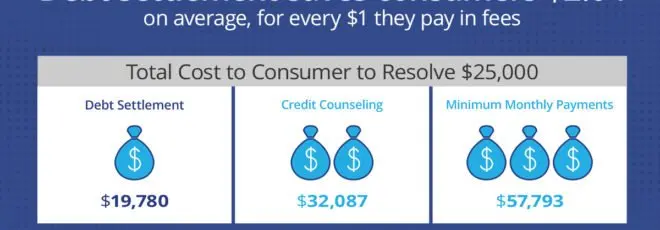
That gives you plenty of time to eliminate or significantly lower your equilibrium while making interest-free settlements.
The Value of Expert How Debt Counseling Helps You Tackle Debt Effectively : APFSC Things To Know Before You Get This
You may require it if your financial institution or a debt collection agency ever attempts to collect on the financial debt in the future. The letter could show you do not owe what the collection company's documents show. Yes, in many cases, the internal revenue service considers forgiven financial debt as taxed earnings. When a lending institution forgives $600 or more, they are called for to send you Form 1099-C.
Debt forgiveness or negotiation practically always harms your credit rating. Anytime you settle a financial debt for less than you owe, it may appear as "worked out" on your credit history report and affect your credit history for seven years from the date of settlement. Your debt can also go down significantly in the months causing the mercy if you drop behind on payments.
The Best Strategy To Use For Professional Guidance Preserves What You've Built
Tax obligation financial obligation concession programs Tax obligation financial debt happens when the quantity of taxes you owe surpasses what you have actually paid. This circumstance frequently results from underreporting revenue, not submitting returns promptly, or disparities discovered during an internal revenue service audit. The repercussions of gathering tax debt are serious and can consist of tax liens, which offer the IRS a lawful claim to your residential property as protection for the debt.
Greater rate of interest on readily available credit score. Salaries and Financial institution Accounts IRS can impose (take) wages and bank accounts to please the financial debt. Reduced revenue and interruption of necessary monetary procedures. Residential property Seizure In severe cases, the internal revenue service can take and market residential or commercial property to cover the financial obligation. Loss of useful properties and potential displacement.
Social Preconception Encountering lawful activity from the Internal revenue service can lug social stigma. Work Opportunities A poor credit history rating due to strain financial debt can limit employment chances. Federal government Benefits Tax debt may influence qualification for federal government advantages, such as Social Safety and Medicaid.
8 Easy Facts About Frequent False Beliefs About Bankruptcy Described
The OIC takes into consideration numerous variables, including the taxpayer's revenue, costs, possession equity, and capacity to pay. Efficiently negotiating an OIC can be complicated, requiring a comprehensive understanding of the internal revenue service's standards and a solid argument for why your deal aligns with your ability to pay. It is essential to note that not all applications are accepted, and the process requires detailed economic disclosure.
The IRS assesses your total financial circumstance, including your income, expenses, property equity, and capacity to pay. You have to additionally be current with all filing and settlement requirements and not be in an open insolvency case. The internal revenue service additionally considers your compliance history, evaluating whether you have a document of prompt filing and paying tax obligations in previous years.
Top Guidelines Of Private How Debt Counseling Helps You Tackle Debt Effectively : APFSC Options Compared
The application process for a Deal in Compromise entails a number of in-depth steps. You must complete and submit IRS Form 656, the Offer in Concession application, and Type 433-A (OIC), a collection details declaration for individuals. These forms need thorough financial information, including information concerning your earnings, financial obligations, expenses, and properties.
Back tax obligations, which are overdue tax obligations from previous years, can substantially raise your total internal revenue service financial obligation if not attended to without delay. This debt can accrue interest and late settlement fines, making the original quantity owed a lot larger gradually. Failing to pay back taxes can lead to the IRS taking enforcement activities, such as releasing a tax obligation lien or levy against your residential property.
It is necessary to address back tax obligations as soon as feasible, either by paying the total owed or by preparing a settlement strategy with the internal revenue service. By taking positive actions, you can prevent the buildup of extra rate of interest and charges, and avoid much more hostile collection activities by the IRS.
One usual reason is the belief that the taxpayer can pay the sum total either as a round figure or with a repayment strategy. The internal revenue service likewise thinks about the taxpayer's earnings, expenditures, asset equity, and future earning capacity. If these variables show that the taxpayer can pay for to pay greater than the offered quantity, the IRS is likely to decline the deal.
Everything about Pricing Clarity That How Debt Counseling Helps You Tackle Debt Effectively : APFSC Experts Don't Have
Dealing with Internal revenue service debt can be intricate and difficult. Tax obligation professionals, such as Certified public accountants, tax obligation lawyers, or signed up agents, can give vital help.

Table of Contents
Latest Posts
The Best Guide To What to Watch For When Researching Forgiveness Help
The Only Guide for Additional Fees to Look For
9 Easy Facts About Immediate Consequences of The Intersection of Technology and Financial Vulnerability: Digital Debt Traps Decisions Explained
More
Latest Posts
The Best Guide To What to Watch For When Researching Forgiveness Help
The Only Guide for Additional Fees to Look For